

LINK XLR
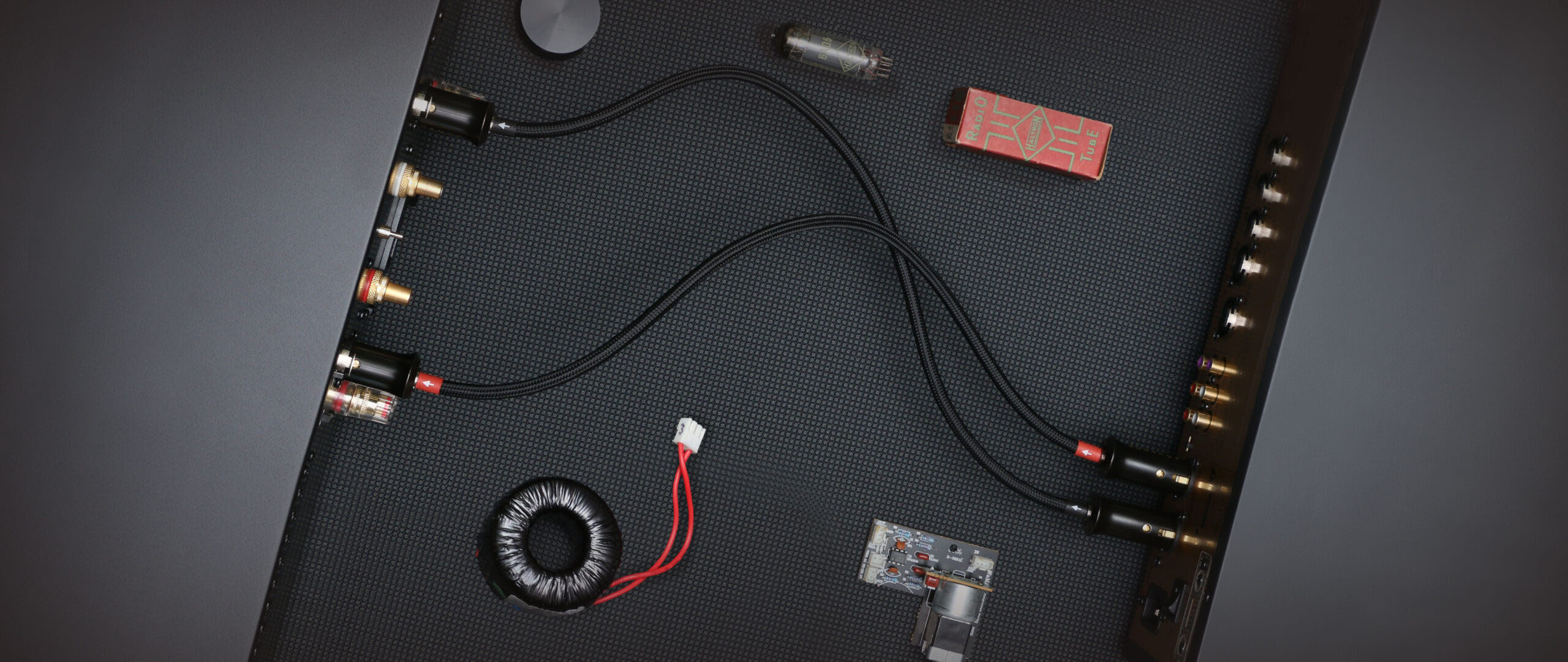
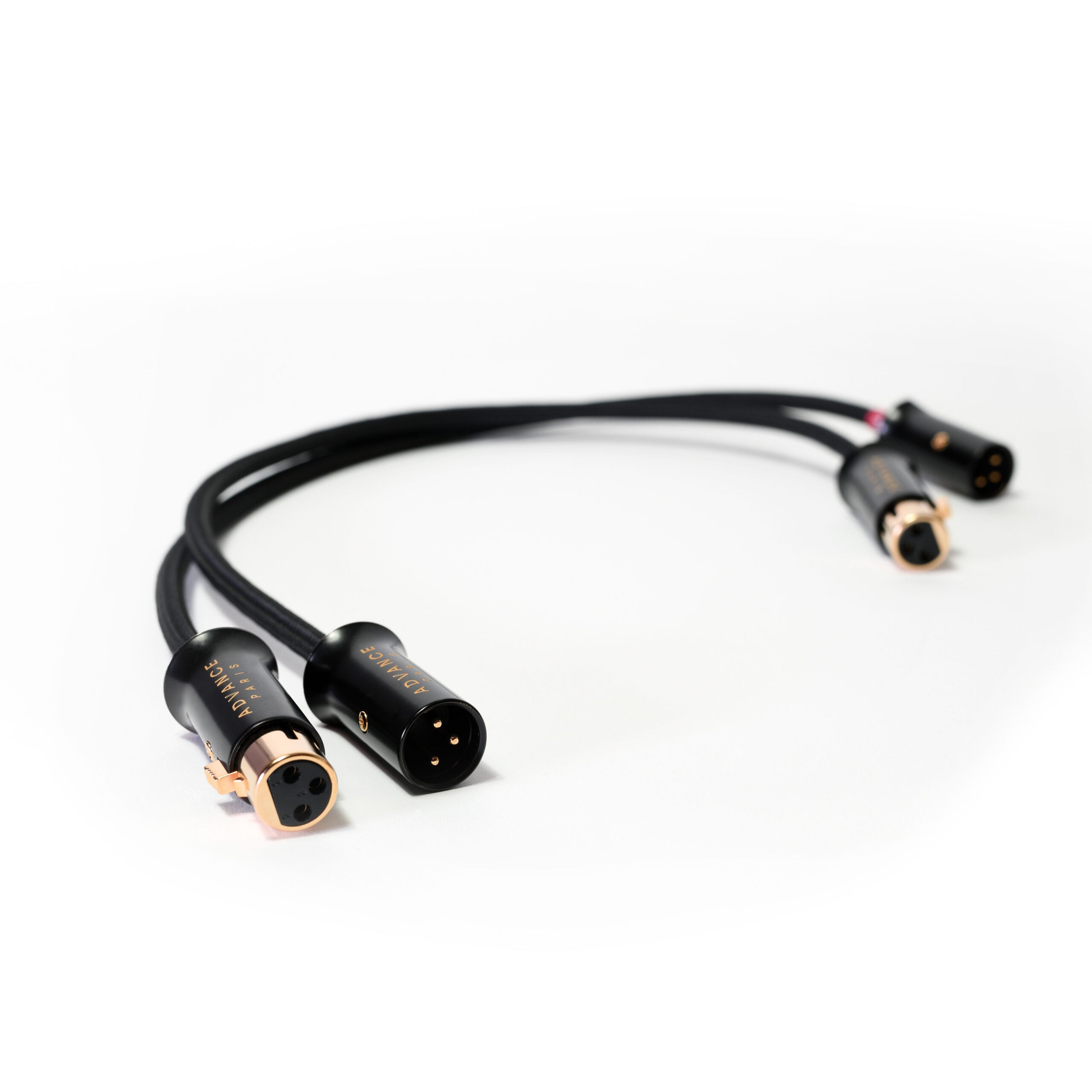
LINK XLR preserves the purity of your music with exceptional signal integrity and minimal noise. Its balanced design lets each detail, layer, and dynamic emerge naturally, giving your system a sense of calm authority and refined control. A meticulously crafted interconnect that reveals the full depth, texture, and nuance of every performance.
Pairs well with
Try & Buy at local dealers
2-Year Warranty
Ships within 1-2 business days.
Product Highlights

Wire quality

Cable Diameter

Cable Sheath
LINK XLR
If you have any questions, you are always welcome to contact us. We'll get back to you as soon as possible, within 24 hours on weekdays.
-
Shipping Information
Use this text to answer questions in as much detail as possible for your customers.
-
Customer Support
Use this text to answer questions in as much detail as possible for your customers.
-
FAQ’s
Use this text to answer questions in as much detail as possible for your customers.
-
Contact Us
Use this text to answer questions in as much detail as possible for your customers.
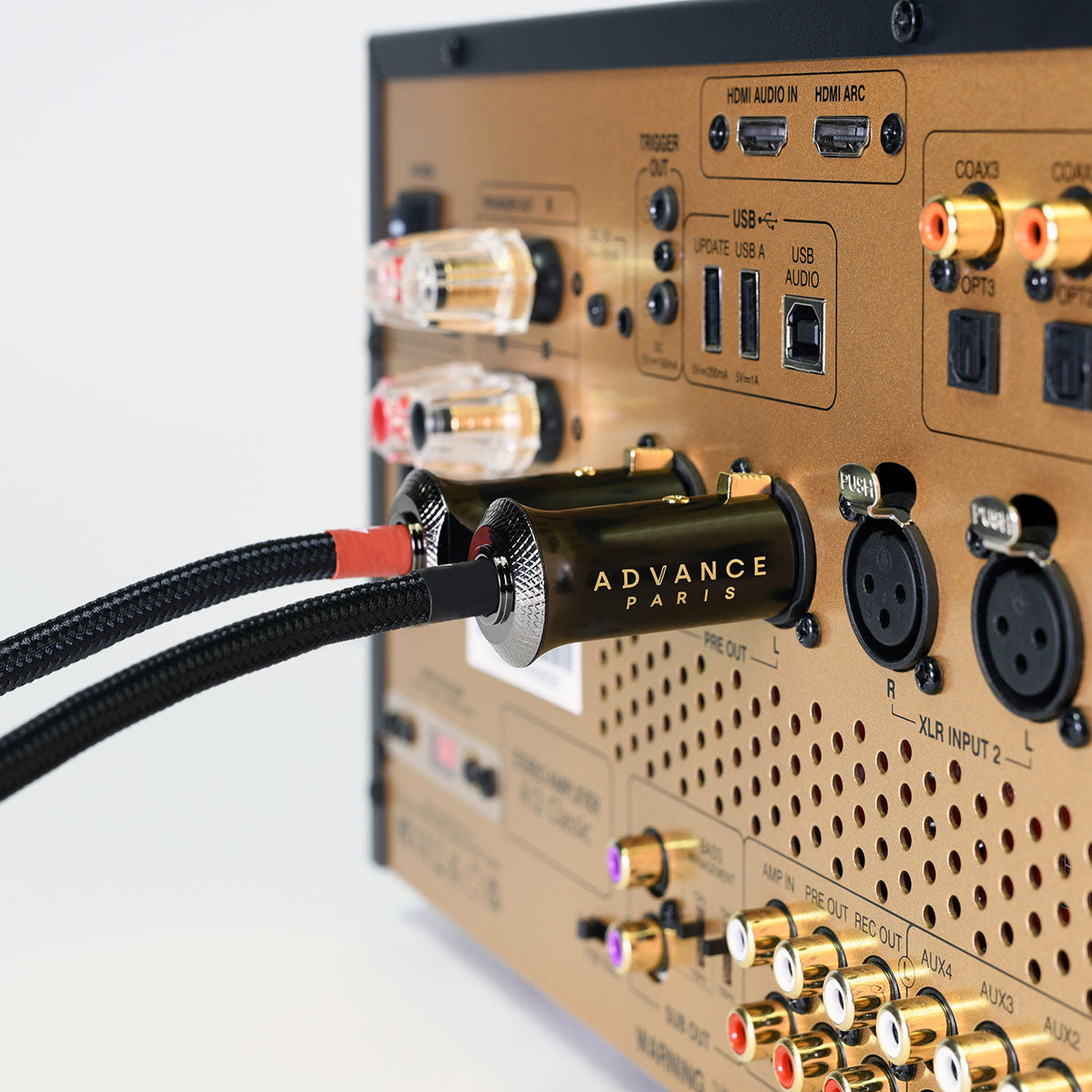
Link Grip - Connection Perfected
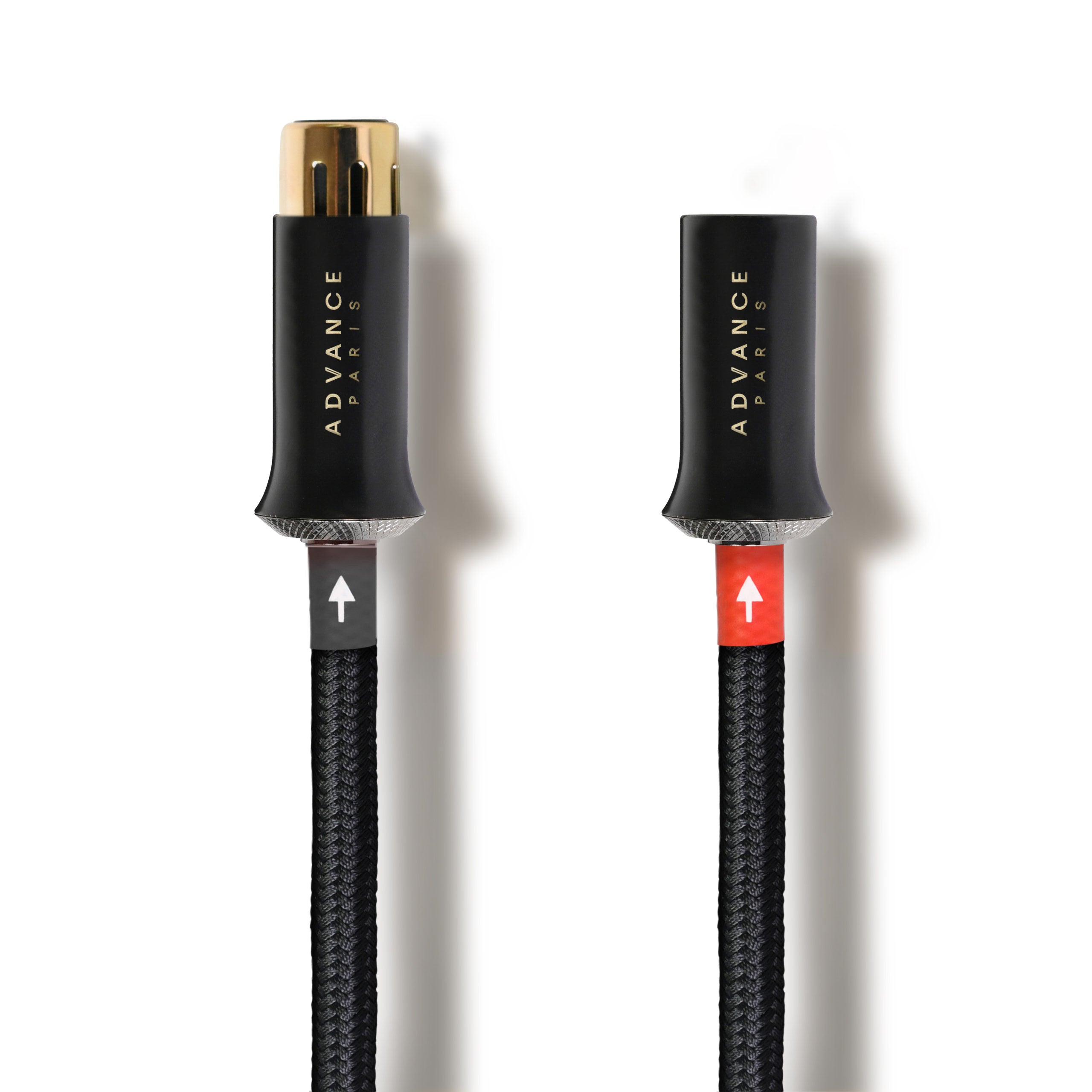
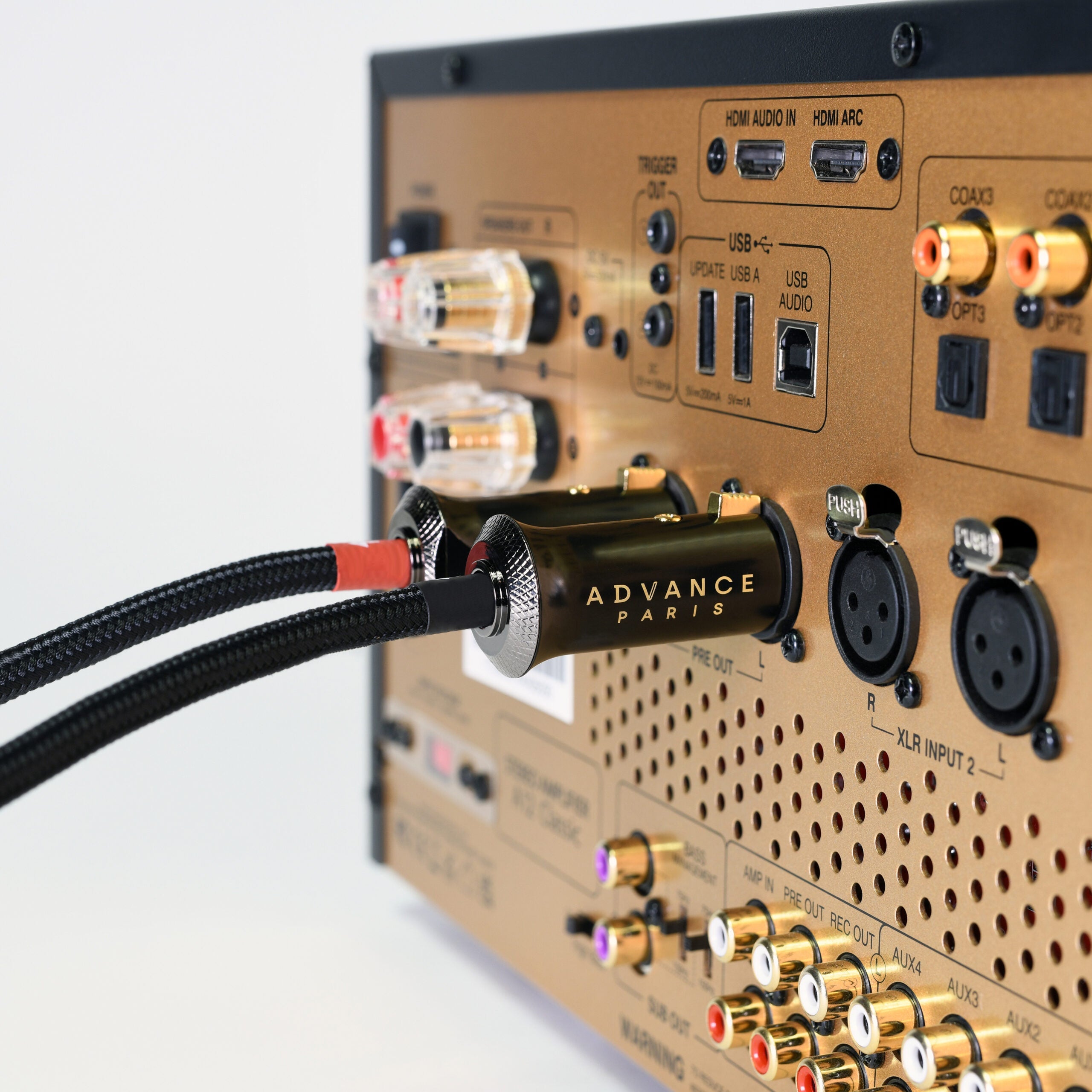
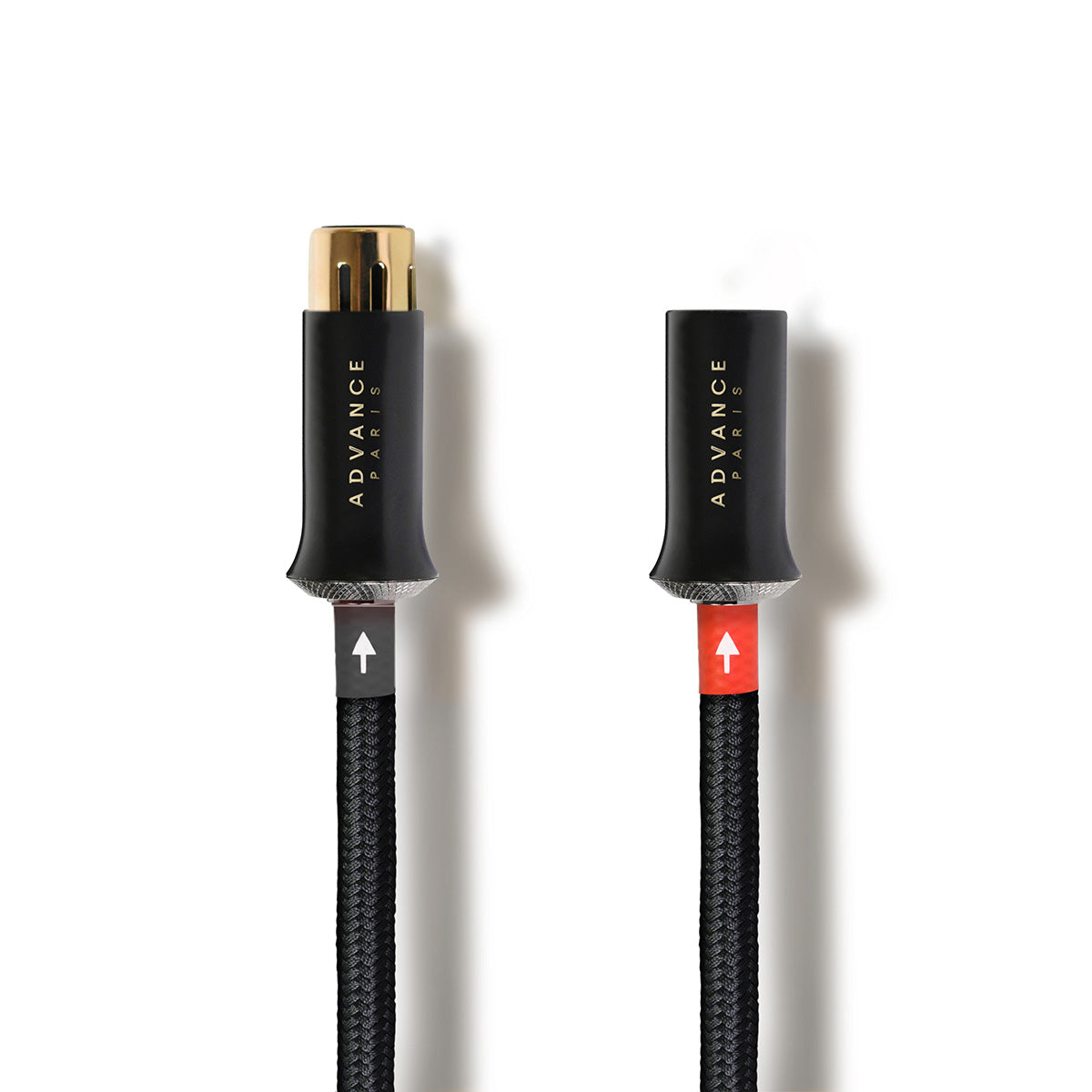
A balanced connection relies on precision at the interface. LINK XLR uses Advance Paris’ Link Grip connectors to ensure that every connection is stable, controlled, and repeatable. Ergonomically shaped, the connectors allow confident handling and secure seating, while gold-plated contacts provide a uniform contact area that minimizes resistance and preserves the integrity of the signal. Even after repeated use, the connection remains reliable, ensuring that your system transmits audio with full fidelity and low noise.
Maintaining signal integrity is particularly important in balanced connections, where even small interference or mechanical instability can affect performance. Link Grip connectors are designed to hold the cable firmly, preserving continuity and keeping the differential signal free from distortion or crosstalk. The result is a connection that feels deliberate, precise, and trustworthy, reflecting the meticulous engineering found throughout Advance Paris components.
LINK SERIES
A bridge to optimal performance
Across the LINK series, Advance Paris regards cabling as a vital element of system performance rather than a simple accessory. LINK XLR protects the integrity of every balanced signal, ensuring timing remains precise, noise is minimized, and the differential signal reaches its destination exactly as intended. The cable’s construction actively reduces electromagnetic interference, allowing every detail of the performance to come through without distortion or coloration.
With LINK XLR’s careful design, your system can operate as a cohesive whole. Dynamics remain controlled yet expressive, tonal balance is preserved, and subtle spatial information—from the decay of a note to the positioning of instruments—is faithfully rendered. LINK XLR does not add character or alter the music. Instead, it allows your system to communicate recordings with clarity, confidence, and natural flow, translating technical precision into a listening experience that is both immersive and emotionally engaging.
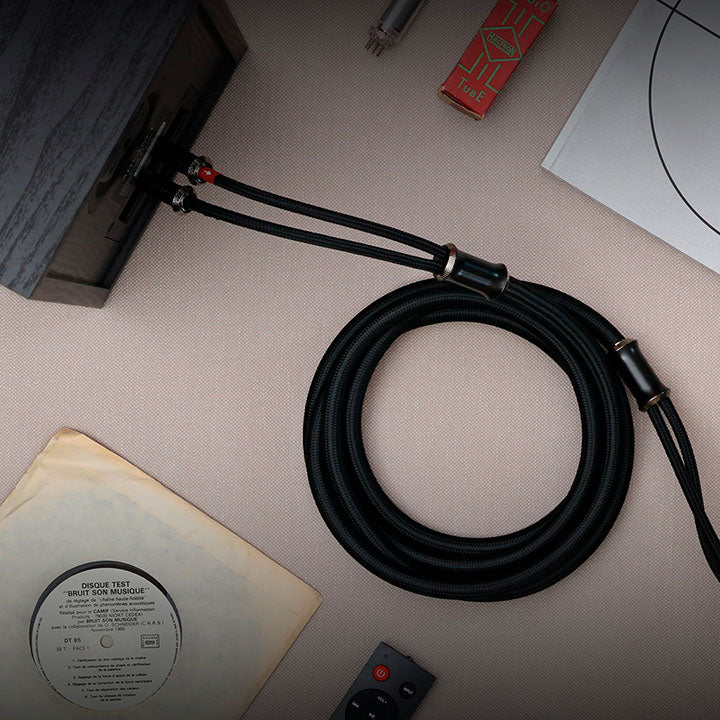
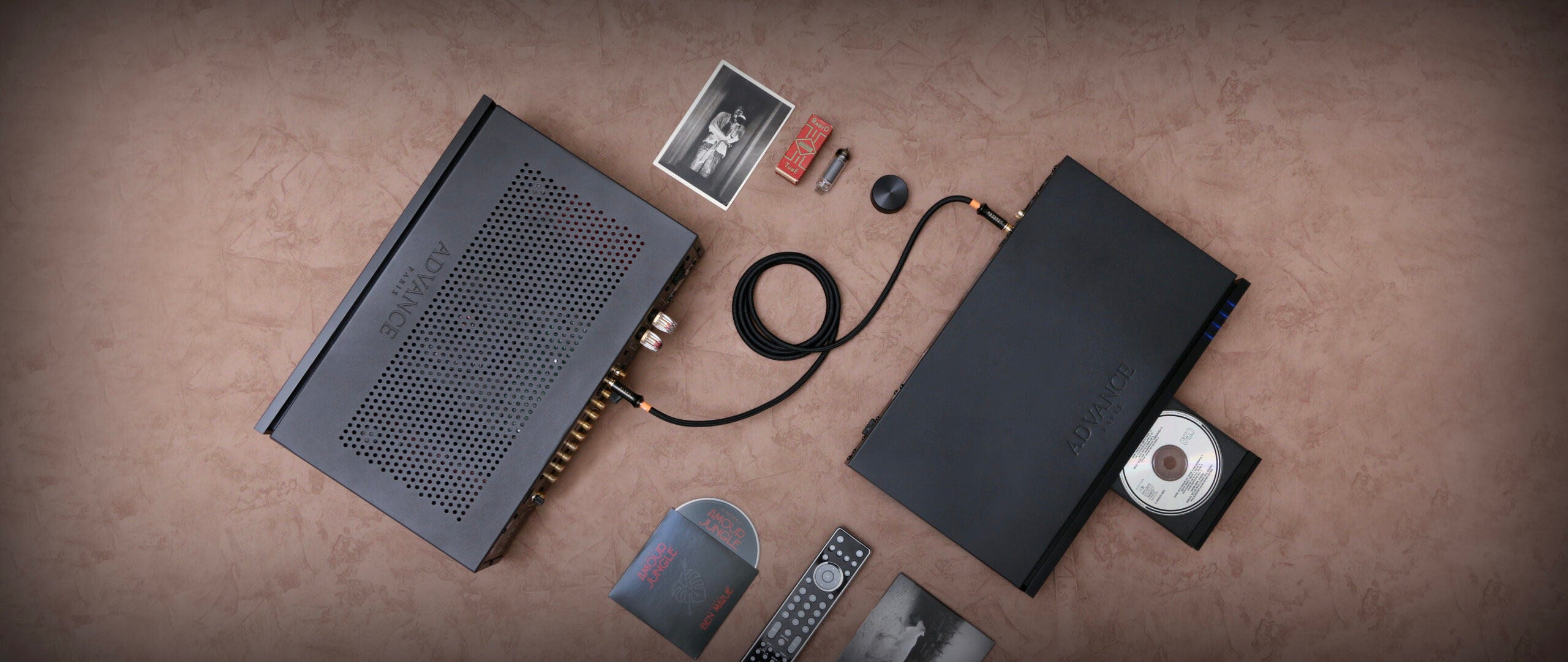

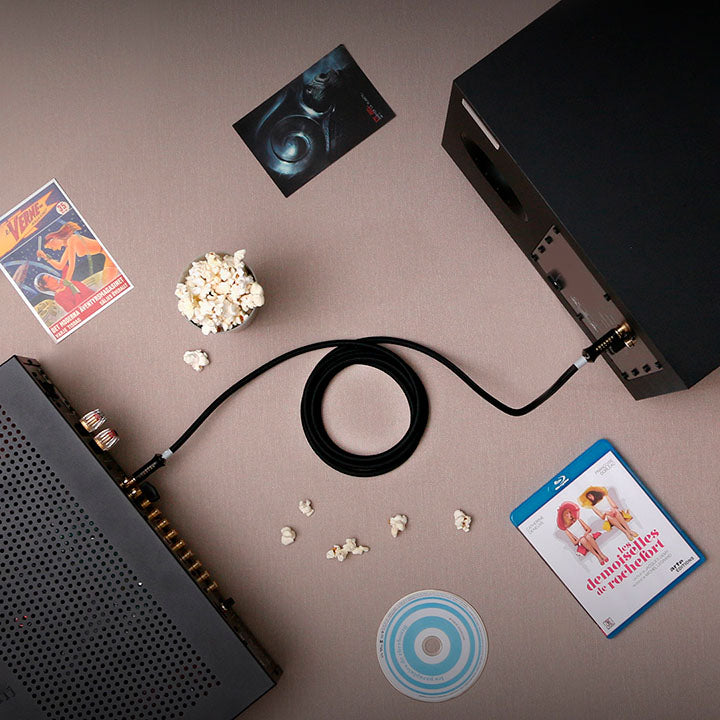
The Heart of the Cable
LINK XLR is constructed from 99.9999 percent pure monocrystalline OCC copper, chosen for its uniform crystal structure and excellent conductivity. The twin conductors, each 2.5 mm² in cross-section, are precisely arranged to maintain low resistance and preserve the differential signal, while robust shielding reduces electromagnetic interference. Housed within a flexible black nylon braided sheath, the cable is built to withstand mechanical stress and maintain consistent performance over time.
This design allows LINK XLR to carry balanced audio signals with exceptional clarity, detail, and dynamic control. The cable preserves timing, tonal balance, and spatial information, ensuring that every nuance—from subtle reverberations to expressive transients—is faithfully delivered from source to amplifier or processor.
Specifications
Key Features
DOCUMENTATIONS
Included in the Box

LINK XLR Cable

Quick Start Guide

FAQ's
The most common questions about cables, answered.
What ensures a clean, undistorted signal?
LINK cables are engineered to preserve every detail of your music, free from noise or interference. For analog connections, the 99.9999% pure monocrystalline OCC copper conductors deliver minimal resistance and neutral frequency response, while digital cables use precision-designed conductors matched to their specific impedance.
Robust shielding protects against electromagnetic and radio-frequency interference, and the ergonomic Link Grip connectors maintain stable, secure contact. The result is a signal that travels intact from source to amplifier, reproducing dynamics, tonal balance, and spatial detail exactly as intended.
Can cables reduce noise and interference?
Every LINK cable features optimized shielding and precise geometry that minimize electromagnetic and radio-frequency interference. This low-noise design keeps your music pure, maintaining clarity, depth, and imaging across the frequency spectrum.
How important is impedance or conductor material?
Impedance and material choice are crucial to signal fidelity. LINK coaxial cables, for example, are carefully matched to 75 ohms for accurate digital timing, while analog RCA and XLR cables use pure OCC copper to deliver low resistance, flat frequency response, and true-to-source dynamics.
Are these cables durable and easy to handle?
LINK cables are built to last. Flexible, yet strong sheaths protect the conductors, while ergonomically designed Link Grip connectors make connecting and disconnecting effortless, even in tight or complex setups. The result is a cable that maintains mechanical and electrical integrity for years of use.
How do cables influence the sound of my system?
LINK cables are designed to preserve the natural tone, dynamics, and spatial detail of your recordings. By maintaining signal integrity and minimizing distortion, they allow your components to perform at their best, revealing subtle textures, vocal clarity, and instrument separation exactly as intended by the recording.